Pakistan chase series win, Australia try to combat spin in Lahore ODI

The Tactical Battle: Pakistan chase series win, Australia try to combat spin
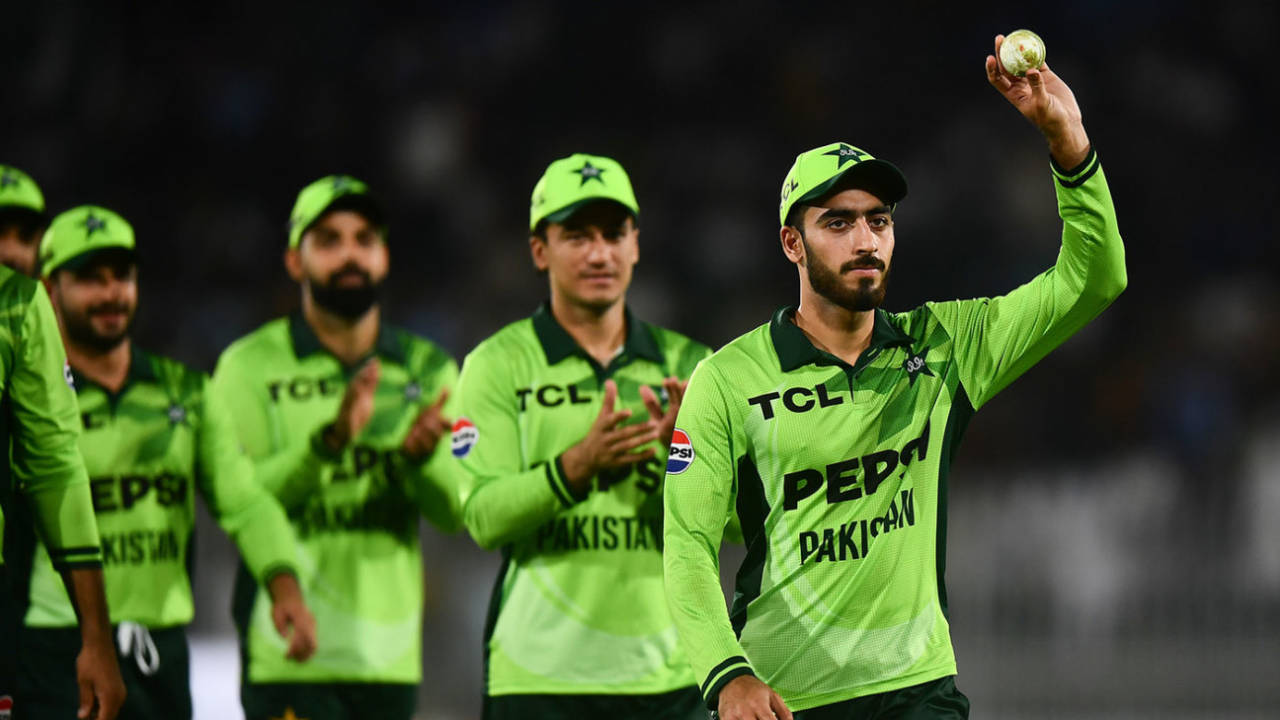
The conclusion of the first ODI served as a stark reminder of the challenges international touring sides face when confronted with low, slow subcontinental surfaces. In Rawalpindi, Pakistan’s spin attack dismantled the Australian batting lineup, with debutant Arafat Minhas producing a performance that left the visitors searching for answers. As the two sides transition to the Gaddafi Stadium in Lahore, the strategic focus shifts significantly. For the hosts, the priority is clear: capitalize on the momentum to secure a confidence-boosting series victory. Conversely, Australia faces the dual challenge of rectifying their technical deficiencies against slow bowling while continuing their broader mission of long-term squad development.
The Lahore Expectation
Lahore presents a vastly different proposition compared to the opening venue. The Gaddafi Stadium has historically been a high-scoring ground, characterized by true bounce and pace. Recent history supports this, with England chasing down 352 at the venue during the Champions Trophy, and Pakistan successfully chasing 349 against Australia at the same ground four years ago. The tactical dilemma for Pakistan management involves deciding whether to prioritize the series win—which might warrant preparing another spin-friendly pitch—or to embrace a faster, flatter surface that better mimics the conditions expected for the upcoming World Cup in southern Africa.
Australia’s Developmental Crossroads
Australia entered this series with the clear understanding that these matches are primarily about development rather than immediate results. By fielding a younger group and resting several senior players, the team aims to build a deeper pool of talent capable of problem-solving in diverse environments. While the performance of players like Matt Short, Matt Renshaw, and Tanveer Sangha provided glimpses of promise, the struggles of established stars remain a concern. Marnus Labuschagne and Cameron Green, considered the bedrocks of the current transition, are currently fighting to cement their roles in the starting XI. With the 2027 World Cup on the horizon, the pressure on these middle-order mainstays to perform is mounting.
Spotlight: The Form of Shadab and Labuschagne
Two players find themselves under significant scrutiny heading into the second ODI. Shadab Khan, returning to the fold after a lengthy absence, struggled to impact the Rawalpindi fixture, conceding 54 runs without taking a wicket. Given the emergence of younger spin options, Shadab faces a battle to justify his selection as a specialist all-rounder. Across the fence, Marnus Labuschagne is experiencing a difficult patch of form, with an 11-innings streak without a half-century. Once viewed as the defensive lynchpin for the Australian middle order, his recent struggles have left him vulnerable, forcing the team management to reconsider his role as they look toward future tournaments.
Team News and Conditions
Expect changes as both sides adjust to the conditions. Pakistan may look to reinforce their pace attack with Naseem Shah if the pitch appears less conducive to spin. Australia, meanwhile, is likely to continue rotating their squad to maximize the exposure for younger players. Liam Scott remains a strong contender for a debut, while the inclusion of Cooper Connolly or Riley Meredith will depend on the team’s assessment of player fatigue and acclimatization. With temperatures in Lahore expected to reach a sweltering 38 degrees Celsius, hydration and fitness will be as critical as technical skill. As the match approaches, the data remains consistent: teams batting first in Lahore have held a distinct advantage in recent years, making the toss a potentially pivotal moment in the series narrative.