Ambati Rayudu, Virat Kohli and the Lingering 2019 World Cup Controversy

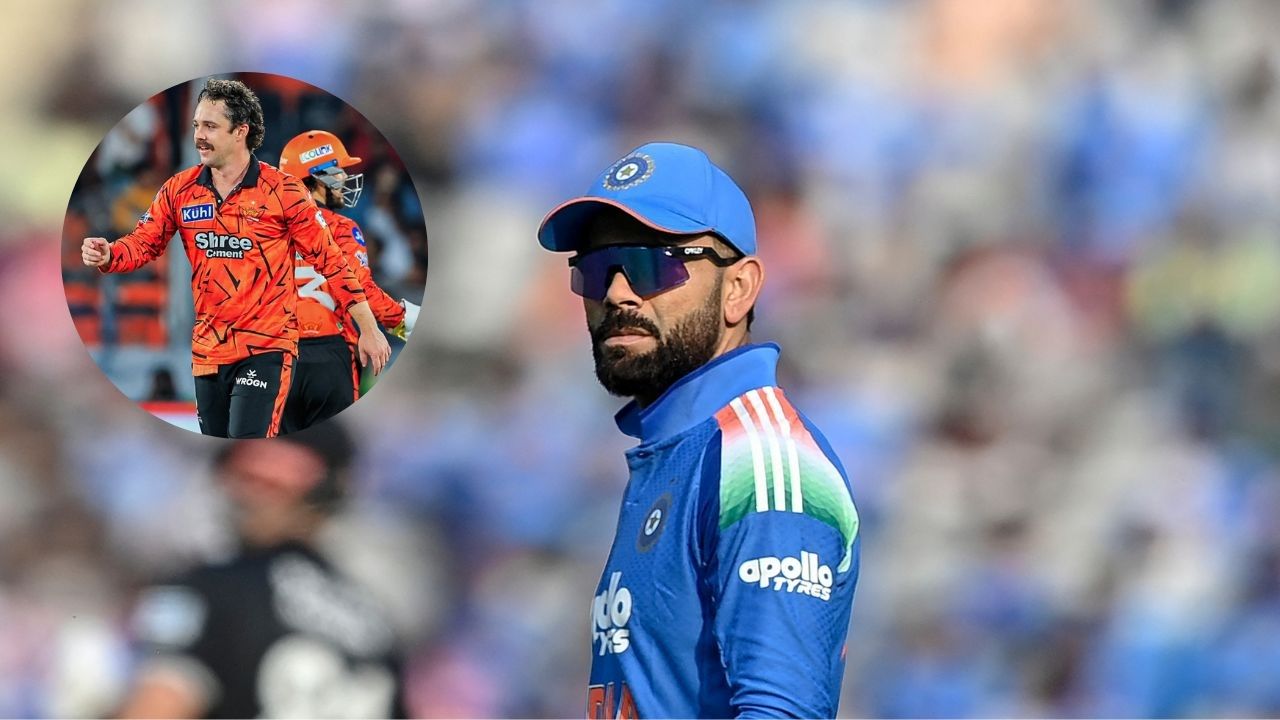
The Lasting Echoes of a World Cup Snub
The 2019 ICC Cricket World Cup is often remembered by Indian cricket enthusiasts as a tournament of immense promise that ended in heartbreak. Under the leadership of Virat Kohli, the Indian squad displayed clinical dominance during the league stages, finishing at the top of the table with seven victories from nine matches. However, the eventual semi-final defeat to New Zealand was not the only chapter of that campaign to cause lasting friction. The non-selection of Ambati Rayudu, which remains a source of intense discussion today, continues to haunt the narratives surrounding that era of Indian cricket.
Understanding the Ambati Rayudu Omission
Leading up to the 2019 tournament, the consensus among experts and fans was that Ambati Rayudu was the definitive choice for the crucial No. 4 batting position. Having performed with consistency in the ODI format, he enjoyed the backing of the team management for a significant period. Consequently, the announcement of the squad came as a profound shock when the selectors chose Vijay Shankar instead, citing his utility as a ‘three-dimensional player’.
While Virat Kohli never issued public criticism of Rayudu, the narrative that developed suggested that the team management, led by Kohli and head coach Ravi Shastri, prioritized tactical flexibility and all-round capabilities over the established form of specialist batters. This shift in philosophy left Rayudu on the outside looking in, despite his long-term preparation for the role.
The Weight of Regret
Ambati Rayudu’s career post-2019 has been nothing short of exemplary. With 4,348 runs in 204 IPL matches, he cemented his legacy as a winner, becoming one of only two players in league history—alongside Rohit Sharma—to secure six IPL titles. His 2018 campaign with Chennai Super Kings, where he amassed 602 runs, remains a testament to his undeniable talent.
Yet, accolades and silverware cannot erase the emotional scars of being denied a World Cup appearance. In an candid interaction with ESPN Cricinfo, Rayudu provided a poignant insight into his mindset, stating clearly that he would trade all six of his hard-earned IPL trophies for just one opportunity to step onto the field in a World Cup match for his country. This statement highlights the profound disparity between domestic success and the dream of representing India on the world’s biggest stage.
The Captain’s Role and the Need for Better Communication
The controversy survives primarily because of the lack of clarity regarding Rayudu’s status. Having been consistently projected as the No. 4 batter for an extended duration, his sudden dismissal created a vacuum that many felt was never adequately explained. While Virat Kohli did not personally insult Rayudu, his position as captain meant he became the representative of the decision-making process.
The criticism directed toward the then-management stems from a belief that the situation warranted greater transparency and respect. When a player is groomed for a specific role over months, the sudden reversal of that decision requires a level of communication that many believe was lacking in 2019. The fact that Rayudu still speaks about his regret today serves as a reminder that selection decisions are not merely logistical tasks—they are career-defining moments that carry deep emotional weight for the athletes involved.
Conclusion: A Legacy Defined by More Than Just Numbers
Ambati Rayudu’s career is defined by his resilience and his immense contribution to the success of his IPL franchises. However, the ‘what-if’ of the 2019 World Cup will likely remain a permanent fixture in the history of Indian cricket selection controversies. As the sport continues to evolve, the case of Rayudu remains a case study in the importance of player management and the delicate balance between tactical planning and the morale of the squad. Whether the decision was a masterstroke of strategy or a miscalculation of loyalty, its impact on the player remains an enduring element of his professional journey.