Revealed: Why BCCI Didn’t Punish Virat Kohli For Travis Head Handshake Snub

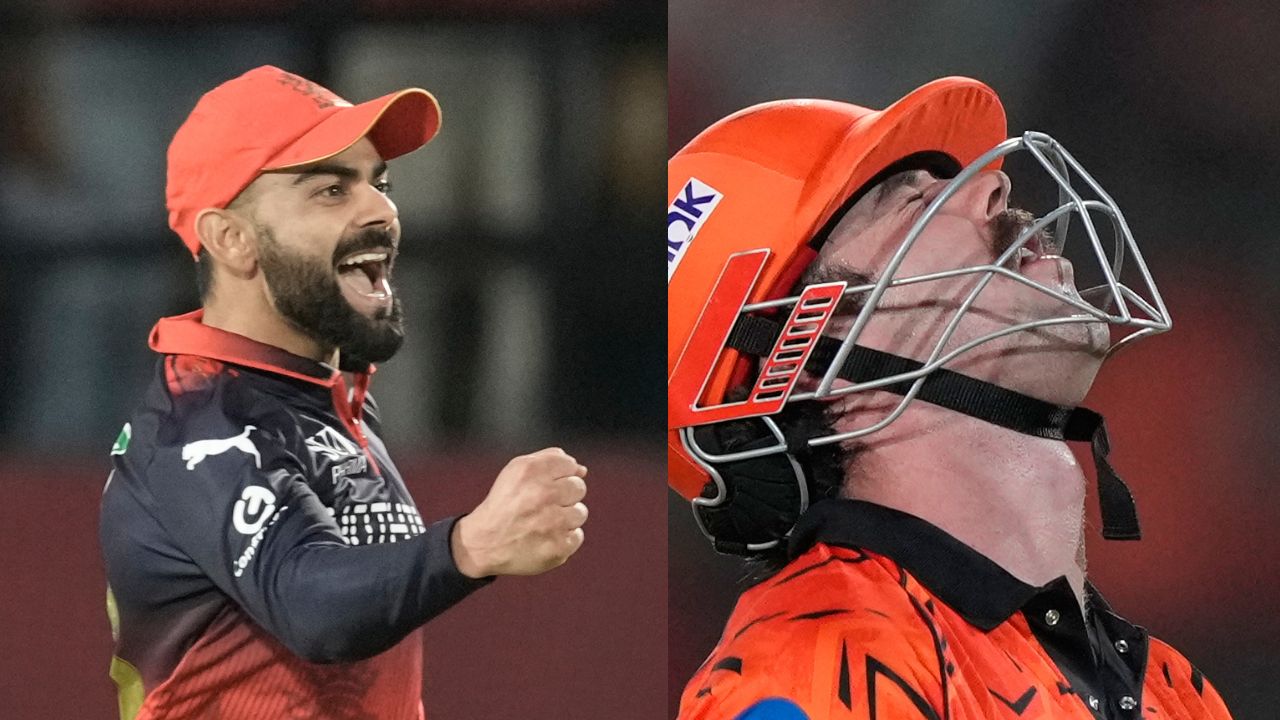
The IPL Controversy That Sparked Global Debate
The recent Indian Premier League (IPL) encounter between Royal Challengers Bengaluru (RCB) and Sunrisers Hyderabad (SRH) delivered much more than just cricketing action. While the match itself resulted in a decisive 55-run victory for SRH at the Rajiv Gandhi International Cricket Stadium, the post-match headlines were dominated by a supposed gesture involving Virat Kohli and Travis Head. The incident, which triggered a wave of social media discourse, has led many fans to question the lack of official disciplinary intervention. It has finally been Revealed: Why BCCI Didn’t Punish Virat Kohli For Travis Head Handshake Snub, shedding light on the regulatory boundaries of the sport.
Anatomy of the On-Field Friction
Tension between the two star players was palpable throughout the match. Reports indicate that the friction began during the opening overs as RCB’s batting lineup looked to assert dominance. Kohli was observed gesturing toward Travis Head, who was stationed at mid-wicket, in a manner that many interpreted as a challenge for the Australian to step up and bowl. This intensity persisted as the game progressed. When Head eventually entered the bowling attack in the 18th over, he made an immediate impact by claiming the wicket of RCB captain Rajat Patidar. The atmosphere remained charged, with further verbal exchanges noted during subsequent field changes.
The Viral Handshake Incident
The situation escalated significantly when a video clip surfaced online, purportedly showing Virat Kohli walking past Travis Head without offering a customary handshake after the conclusion of the match. While Kohli was seen interacting warmly with other SRH players such as Pat Cummins, Abhishek Sharma, and Ishan Kishan, the apparent exclusion of Head became a primary talking point. Fans were quick to take sides, leading to heated debates across various digital platforms regarding sportsmanship and etiquette.
Why the BCCI Chose Not to Intervene
Despite the public outcry and the intense nature of the viral footage, authorities have confirmed that no disciplinary action is forthcoming. The core of this decision lies in the fundamental distinction between expected social etiquette and the official Laws of Cricket. According to insiders within the BCCI, the act of shaking hands is classified as a gesture associated with the ‘spirit of cricket’ rather than a mandatory regulation enforceable by the match referee or the board.
A source close to the BCCI highlighted that such post-match rituals are ultimately voluntary. The source noted, “Even India and Pakistan players don’t always shake hands after matches.” This precedent suggests that the governing body does not view the omission of a handshake as a breach of the code of conduct that would warrant a fine or suspension.
Historical Context and Precedents
This is not the first time that the absence of a post-match handshake has drawn attention in professional cricket. A notable example occurred during the Asia Cup 2025, where reports surfaced that India captain Suryakumar Yadav did not exchange handshakes with Pakistan captain Salman Ali Agha following a high-stakes match. In that instance, the Indian team departed the field immediately following their victory. This pattern indicates that a ‘no-handshake’ approach has, on occasion, been utilized by international teams, further reinforcing the argument that it falls outside the scope of punishable offenses.
The Broader Perspective on Sporting Passion
Cricket is a sport defined by immense pressure, high stakes, and raw emotion. When players operate in a high-intensity environment like the IPL, clashes and heated moments are often inevitable byproducts of their competitive drive. While the visual of a snub might seem disrespectful to observers, the consensus within the cricketing community is that these incidents should ideally be contained within the field of play.
Ultimately, the decision not to punish Kohli aligns with the sport’s tendency to prioritize the integrity of the game’s actual rules over subjective interpretations of player interactions. By keeping these occurrences in perspective, the BCCI avoids setting a dangerous precedent where personal conduct during non-mandatory social interactions becomes a matter for formal review. As the tournament moves forward, the focus remains on the action on the pitch, where passion and skill continue to define the spectacle of the Indian Premier League.