Hemang Badani reveals biggest reason behind Delhi Capitals’ IPL 2026 disaster

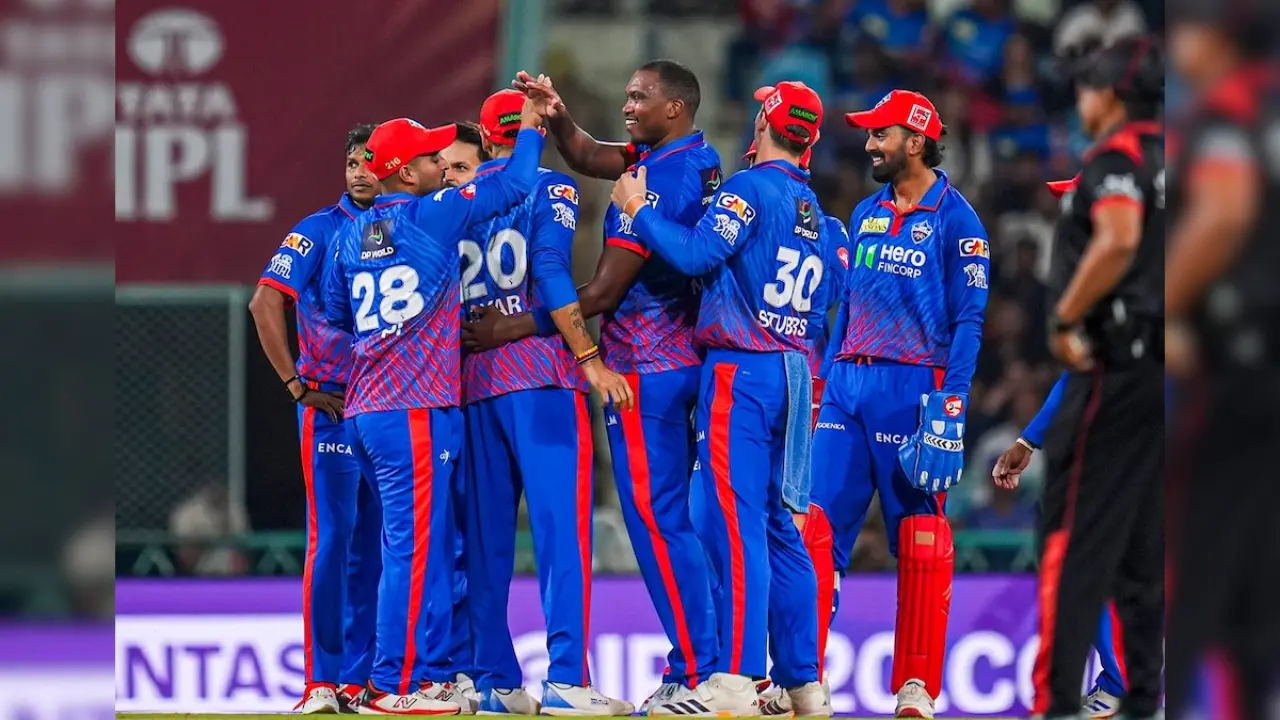
A Season of What-Ifs for the Delhi Capitals
The 2026 Indian Premier League (IPL) campaign has drawn to a close for the Delhi Capitals, and unfortunately for the franchise and its supporters, the narrative remains painfully familiar. Despite a season that showed glimpses of promise and high-octane cricket, the team ultimately failed to secure a playoff spot for the fifth consecutive year. Finishing sixth on the points table with a balanced record of seven wins and seven defeats from 14 matches, the Capitals were left to ponder what could have been.
As the dust settles on their final performance—a spirited 40-run victory over the Kolkata Knight Riders—the discourse has shifted toward accountability. In a candid post-match assessment, head coach Hemang Badani offered a blunt evaluation of the squad’s performance. When asked about the root causes of their inability to reach the knockout stages, Hemang Badani reveals biggest reason behind Delhi Capitals’ IPL 2026 disaster with remarkable transparency.
The Failure to Seize Critical Moments
At the heart of the team’s struggles, according to Badani, was an inability to handle pressure situations. The sport of T20 cricket is often defined by narrow margins, and Delhi found themselves on the wrong side of those margins far too often. Badani noted, “There were many games that I genuinely felt that could go either way. And we did not seize those moments.”
The statistics reflect this frustration. The team frequently found themselves in winning positions, only to let the advantage slip away in the final overs. Two specific instances stand out as symptomatic of their season: a heartbreaking one-run loss to the Gujarat Titans at home and the inability to defend a massive total of 264 runs against the Punjab Kings at the Arun Jaitley Stadium. These were not just losses; they were psychological blows that stalled the team’s momentum.
Fielding and Bowling Woes
Beyond the tactical failures in pressure situations, poor fielding played a massive role in the team’s downfall. Dropped catches in crucial matches against heavyweight opponents like the Chennai Super Kings and Sunrisers Hyderabad proved to be game-defining errors. These lapses in the field relieved pressure on opposition batters and allowed them to build match-winning partnerships that the Capitals could not recover from.
The bowling department also struggled to exert dominance. Throughout the 14 matches, the Delhi bowling attack managed to pick up only 64 wickets, placing them near the bottom of the league in terms of wicket-taking efficiency. Badani reflected on this, stating, “As a bowling side, you ideally want to pick a lot of wickets. If you see the stats with sides picking wickets, I think we are right at the bottom.”
Batting Inconsistency and the Path Forward
The batting unit faced similar challenges regarding stability. The middle order was prone to collapsing, with wickets falling in clusters that made it impossible to build sustained pressure on the opposition. This lack of batting depth and consistency meant that the team was rarely able to string together the kind of dominant performances required to climb the points table.
While some observers pointed to the early-season absence of Australian pacer Mitchell Starc as a potential excuse, Badani was quick to dismiss this notion. He maintained that the squad possessed enough quality to navigate the tournament successfully, regardless of personnel availability. The focus, he argued, must remain on the internal failures to execute basic skills under pressure.
Final Reflections on the 2026 Campaign
As the Delhi Capitals look toward the future, the coaching staff and management have a significant amount of introspection to do. The recurring nature of these failures suggests that it is not merely a personnel issue, but rather a systemic hurdle the team needs to overcome. The head coach’s final assessment was a sobering reminder of the reality of professional sports: “I genuinely feel that if we had played those small, small, little, little margins and if we had seized those little margins, we would have still been alive in the tournament.”
For the loyal fan base of the Delhi Capitals, the 2026 season serves as another chapter of unfulfilled potential. The path to redemption will likely require a complete overhaul of how the team approaches crunch situations and a renewed focus on the fundamental aspects of the game—fielding, disciplined bowling, and batting stability. Until these areas are addressed, the team will continue to struggle to break the cycle of early exits.