IPL To Take Place 2 Times In A Year! BCCI Announces Massive Action – BCCI Explores Two-Window IPL Format for Future Seasons

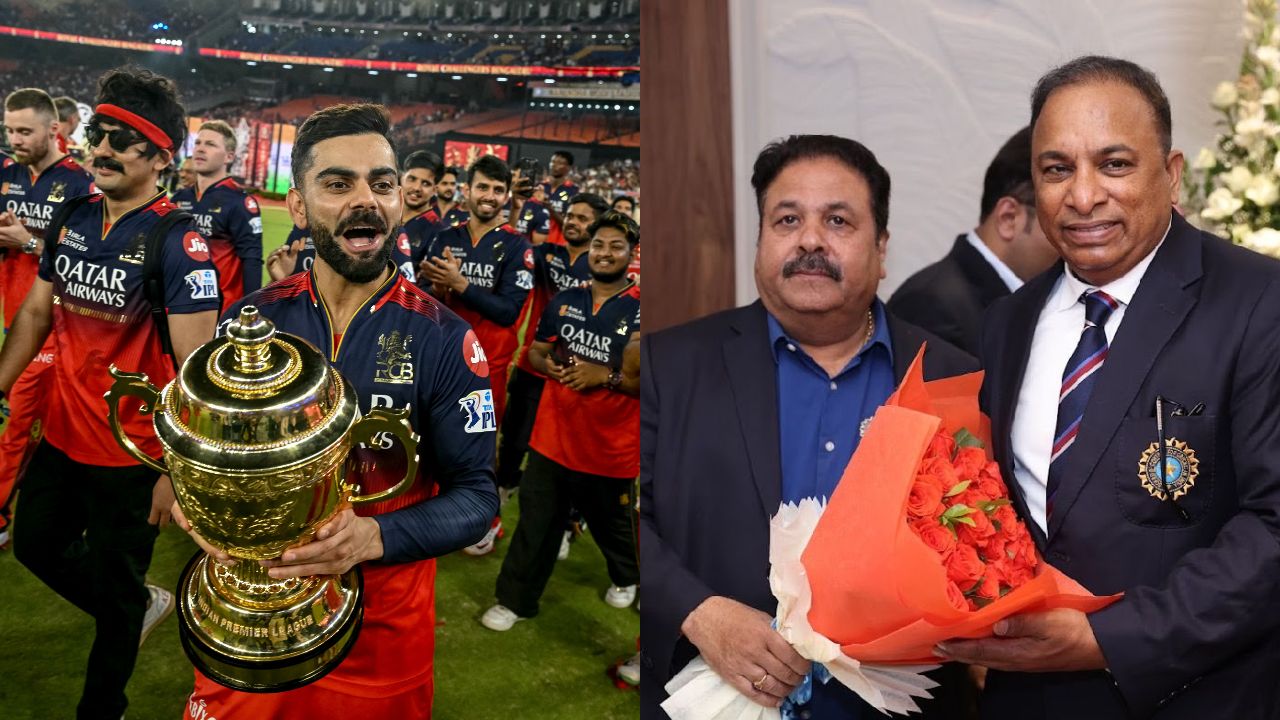
A New Era for the Indian Premier League
The Indian Premier League (IPL) has long been the crown jewel of world cricket, setting records for viewership and commercial success. However, as the league continues to grow in stature and demand, the Board of Control for Cricket in India (BCCI) is facing new logistical challenges. In a significant development, IPL Chairman Arun Dhumal has revealed that the governing council is actively exploring the feasibility of conducting the tournament in two separate windows within a single calendar year.
Addressing the Expansion and Weather Challenges
As the IPL 2026 season reaches its thrilling conclusion, the current format’s limitations have come into sharper focus. With the tournament traditionally occupying the March-May window, the BCCI is looking to expand the competition from the current 74-match format to a more comprehensive 94-game schedule. This expansion would see the ten participating franchises play an equal number of home and away matches, creating a more balanced competitive structure.
However, scaling up the tournament brings inherent difficulties. The primary concern remains the extreme heat and humidity in India during the months of May and June. Playing high-intensity cricket in such conditions is not only physically taxing for the athletes but also poses a challenge for fans and broadcast infrastructure. Consequently, the governing council is evaluating alternative windows that would prioritize player welfare while maintaining the league’s massive commercial appeal.
The September-October Proposal
In an exclusive discussion, Arun Dhumal highlighted the possibility of shifting or splitting the tournament to capitalize on different times of the year. The proposed strategy suggests moving toward a split window, potentially starting the season earlier in February and resuming the latter half in September or October. This approach is being viewed as a strategic move to align with the Indian festive season, which historically offers a goldmine for advertisers.
“We need to sit across and speak to the broadcaster for their opinion on whether the tournament can be moved to another window,” Dhumal explained. “One suggestion was a window in September-October. That is the best time from an advertiser point of view because it is just before Diwali. We will look at that when the next bilateral tender comes into play.”
Global Impact and Collaborative Planning
The IPL does not exist in a vacuum; its schedule has a profound impact on the international cricket calendar and boards across the globe. Dhumal emphasized that any decision regarding a split window will be made in consultation with international stakeholders. The goal is to find a solution that benefits the global game, ensuring that the league remains the premier destination for the world’s best talent without creating unnecessary friction with international bilateral commitments.
“Weather is another challenge that we are facing now with May getting very hot,” Dhumal noted. “We are also looking if we can find a window from February to April and then later in the year. We have to do what is best for the game… We will sit across with all our friends from other countries and find what works best for this tournament and cricket globally.”
The Current State of IPL 2026
While the long-term future of the tournament undergoes this strategic review, the focus remains firmly on the current season. IPL 2026 has been a spectacle, with high-stakes battles defining the playoff race. Royal Challengers Bengaluru (RCB) have already secured their place in the final after a dominant performance against the Gujarat Titans in Qualifier 1. Meanwhile, the intensity is set to escalate as the Rajasthan Royals prepare to face Sunrisers Hyderabad in the Eliminator. The victor of that clash will face the Gujarat Titans in Qualifier 2, with the ultimate goal of reaching the grand finale at the Narendra Modi Stadium in Ahmedabad.
As the BCCI navigates these potential changes, one thing remains clear: the IPL is continuing to evolve to meet the demands of a modern sporting landscape, ensuring its position as an unstoppable force in global cricket.