ICC Proposes Historic Test Match Rule Changes: Red and Pink Ball Hybrid

A Revolutionary Shift: Red and Pink Balls in the Same Test
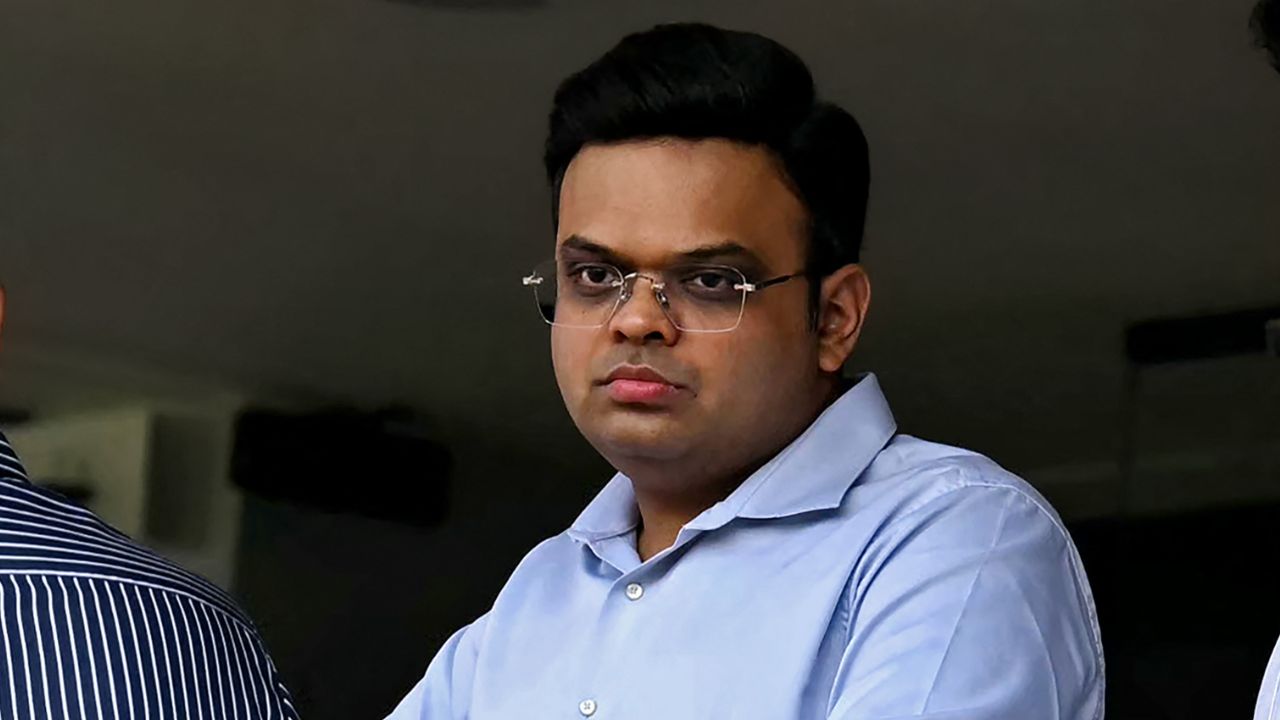
For over a century, the red ball has been the ultimate symbol of traditional Test cricket. However, in a major departure from long-standing tradition, the International Cricket Council (ICC) is actively mulling over a revolutionary proposal: using both the red ball and the pink ball in the exact same Test match. Under the leadership of ICC Chair Jay Shah, this proposed transition aims to address one of cricket’s most persistent problems—weather and bad light interruptions.
According to recent reports, the proposal suggests that teams could be permitted to switch from a red ball to a pink ball during a conventional Test match. This playing condition would only apply if both sides mutually agree to continue playing under floodlights when natural light deteriorates. This hybrid approach could ensure that fans, broadcasters, and players do not lose valuable overs to fading daylight.
How the Transition Would Work: The Challenge of Mutual Consent
While the concept is highly innovative, executing it on the field presents unique challenges. The transition from a red ball to a pink ball during an ongoing innings will require meticulous management. According to the proposals discussed, ‘mutual consent’ is the absolute prerequisite. If even one team disagrees or feels the change disadvantages them, the bowling side will not be allowed to introduce the pink ball under poor light conditions.
The technicalities of this rule change remain under discussion. It remains to be seen how the ICC will regulate the age and wear of the replacement pink ball to ensure fairness to both the batting and bowling units. Further clarity is expected when the official amendments are formalized and released by the ICC.
Inside the ICC’s Decision-Making Process
Such massive changes to the game’s playing conditions do not happen overnight. The ICC relies on a structured, multi-tier committee process to draft, debate, and implement changes to its rules:
- The Cricket Committee: Composed of former international cricketers, elite umpires, and experienced coaches, this body identifies on-field issues and drafts the initial proposals. Currently, former Indian captain Sourav Ganguly heads this committee.
- The Chief Executives Committee (CEC): The proposals are forwarded to the CEC, which comprises the CEOs of all Full Member nations. They debate the global impact, commercial feasibility, and sportsmanship of the proposed changes before voting.
- The ICC Board of Directors: Finally, the ratified recommendations from the CEC are presented to the ICC Board, representing Full Member and Associate nations, for final sign-off.
The virtual CEC meeting held recently laid the groundwork for these rules. The final ratification and official approval are expected to take place during the upcoming ICC Board meeting in Ahmedabad on May 30.
Tactical Evolution: Head Coaches to Enter the Field
The proposed amendments are not limited to ball colors. In another significant shift, the ICC is planning to allow head coaches to enter the field of play during designated drinks breaks. Currently, this privilege is strictly restricted to substitute players carrying drinks and basic messages.
This new rule will primarily target One-Day International (ODI) cricket, where teams are permitted two scheduled drinks breaks per innings, spaced one hour and 10 minutes apart. By allowing head coaches onto the field, the ICC is opening the door for direct tactical interventions, real-time strategy adjustments, and closer coach-captain synergy during crucial phases of a 50-over match. It is still unclear whether coaches will be mandated to wear official team jerseys when stepping onto the grass.
Faster Pacing: Shorter T20I Innings Breaks
In line with modern broadcasting demands and the need for high-octane pacing, the ICC is also looking to shorten the duration of T20 International (T20I) matches. The proposal suggests reducing the innings break interval from the current 20 minutes down to 15 minutes.
The current 20-minute window covers the time from the ‘call of time’ at the end of the first innings to the ‘call of play’ for the second. Cutting this break by five minutes will force teams to regroup faster, keep the live audience engaged, and streamline the television broadcast window. This aligns with global trends where sports formats are consistently optimized for faster delivery and maximum viewer retention.
Implementation Timeline
Once these historic playing conditions are officially approved by the ICC Board, they will not be implemented immediately mid-series. The governing body traditionally rolls out approved changes at the start of new bilateral series or ahead of major global ICC tournaments, ensuring all participating nations have ample time to adapt to the new playing conditions.