Bengaluru’s New ₹943 Crore Cricket Stadium: All You Need to Know

The Catalyst: How the Chinnaswamy Crisis Sparked Change
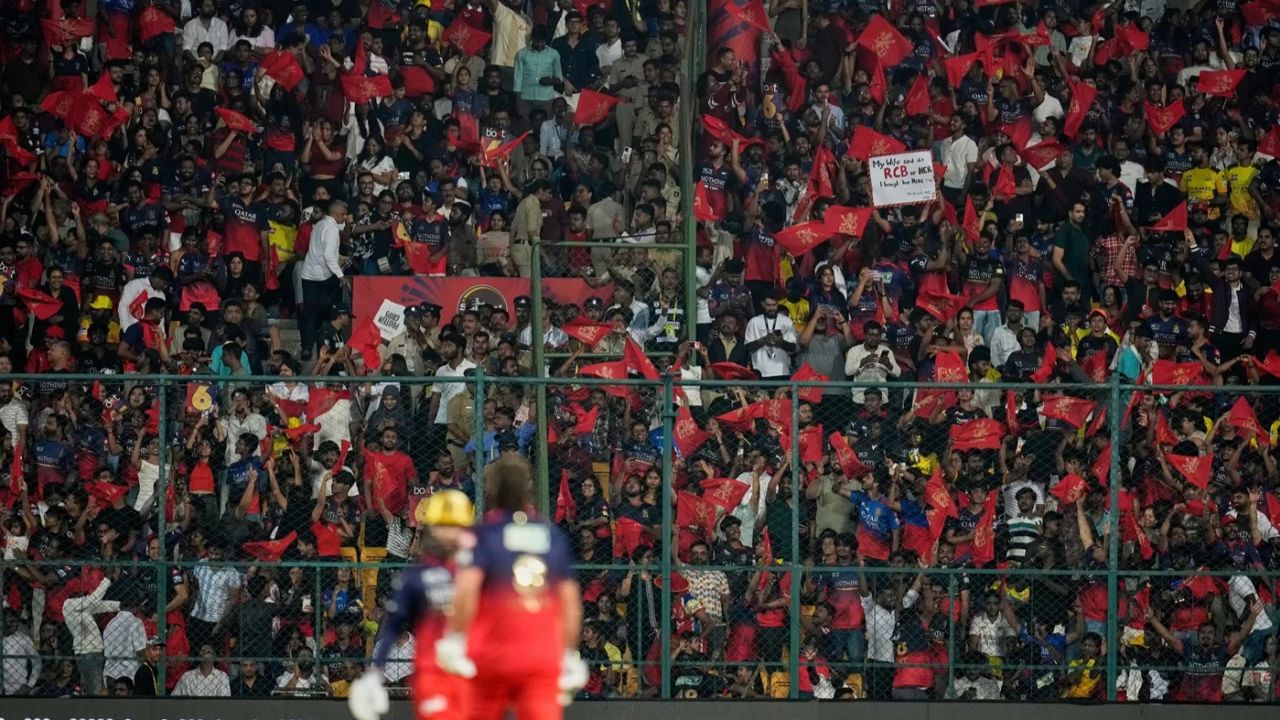
For decades, the M. Chinnaswamy Stadium has stood as the beating heart of cricket in Bengaluru. As the iconic home ground of the Royal Challengers Bengaluru (RCB) in the Indian Premier League (IPL) and the primary host of regional tournaments like the Maharaja Trophy, the venue has witnessed some of the most memorable moments in Indian cricket history. However, recent events have cast a dark shadow over this historic ground, forcing authorities to seek a long-term alternative.
The turning point arrived during the aftermath of RCB’s IPL title victory celebration, when a tragic stampede broke out outside the Chinnaswamy Stadium. The incident exposed severe vulnerabilities in the stadium’s aging infrastructure and crowd management systems. Consequently, the venue faced immense backlash from fans, sports administrators, and governing bodies alike due to an unsafe environment and infrastructure.
The fallout from this disaster was swift and severe. Chinnaswamy Stadium lost the hosting rights for major events, including the prestigious ICC Women’s World Cup 2025 and the Maharaja Trophy. Furthermore, during the IPL, RCB was forced to play a limited number of home matches in Bengaluru, with Raipur stepping in as their secondary home venue. To make matters worse, a conflict with the BCCI and the IPL governing council led to the stadium losing the hosting rights for the highly anticipated IPL 2026 final. It became clear that Bengaluru’s cricketing infrastructure was no longer equipped to handle modern, high-profile sporting events safely, necessitating an overhaul.
Inside the ₹943 Crore Mega-Stadium Project
To address these critical shortcomings and reclaim Bengaluru’s status on the international cricketing map, the Karnataka government has officially launched a monumental project to build a second cricket stadium. This ambitious venture is set to become India’s second-largest cricket stadium, positioned just behind the massive Narendra Modi Stadium.
According to official reports, the new international stadium will be built on a vast 75-acre plot of land in Anekal, situated near the Bannerghatta National Park. The state-of-the-art sports complex will feature a massive seating capacity of approximately 80,000 spectators. This scale places it right behind the Narendra Modi Stadium, which is noted in project outlines to have a capacity of 90,000 spectators.
With an estimated budget of ₹943 crore, the project is designed to be a modern marvel. Construction is expected to move rapidly, with officials targeting completion within the next couple of years. Once finished, the venue will provide a safe, spacious, and highly advanced alternative to Chinnaswamy, capable of easily hosting high-stakes IPL matches, multi-nation ICC tournaments, massive music concerts, and other major global entertainment events.
Funding and Political Foundation
The project has received strong political backing right from its inception. The foundation stone of the new stadium was officially laid by Karnataka Chief Minister D. K. Shivakumar alongside senior political leader Siddaramaiah, signaling the state’s commitment to delivering this world-class facility.
Addressing potential concerns regarding public spending, the government has clarified that taxpayers’ money will not be directly used to fund this ₹943 crore development. Instead, the entire project will be financed through strategic land auctions conducted by the Karnataka Housing Board. Interestingly, the mere announcement of the stadium has already stimulated the local economy; officials report that land prices in the surrounding areas of Anekal have experienced a sharp upward surge, promising significant economic growth for the region.
Environmental Challenges and the Supreme Court Battle
While the project has generated immense excitement among cricket fans and real estate investors, it has also run into significant roadblocks. The primary concern surrounding the new stadium is its location. Situated in Anekal, the project site lies near the eco-sensitive zone of the Bannerghatta National Park.
Environmentalists and local conservationists have raised serious alarms about the potential impact of an 80,000-capacity sports complex on the local ecosystem, wildlife corridors, and surrounding forests. Due to these pressing environmental concerns, the project’s progress has faced legal scrutiny and the issue is currently pending a final decision before the Supreme Court of India. The balance between developmental ambition and ecological preservation remains one of the most critical hurdles the government must overcome.
A New Chapter for Bengaluru Cricket
Despite the ongoing legal battles, the necessity for a modern, secure, and spacious sporting arena in Bengaluru is undeniable. The limitations of the M. Chinnaswamy Stadium have highlighted the urgent need for a facility that prioritizes spectator safety, modern logistics, and world-class amenities.
If the project successfully navigates its environmental hurdles, the new stadium in Anekal will not only ease the pressure on Chinnaswamy but will also elevate Bengaluru to the forefront of global sports hosting. Fans can look forward to a safer, grander, and more comfortable viewing experience, ensuring that the passion for cricket in Karnataka continues to thrive in a world-class environment.