ICC to Empower Umpires Against Illegal Bowling Actions: The Impact on Usman Tariq

A New Era for Cricket Officiating
The International Cricket Council (ICC) is preparing for a landmark shift in how the game is governed. A council meeting scheduled for May 30 in Ahmedabad, led by Jay Shah, is set to discuss and finalize significant amendments to current playing conditions. While several upgrades are on the agenda, the primary focus remains on addressing the growing concerns surrounding illegal bowling actions—a topic that has long been a point of contention in international cricket.
Empowering the On-Field Umpires
Historically, identifying and penalizing bowlers with suspicious actions has been a cumbersome, post-series process. On-field officials have largely been powerless to intervene during the heat of competition, leaving the burden of investigation to retrospective committee reviews. This is set to change.
According to recent reports, the ICC is evaluating a plan to grant on-field umpires access to real-time HawkEye data. This technology would allow officials to monitor bowling actions during a match and potentially ban a player on the spot if their action is found to be illegal. As noted in a report by Cricbuzz, the governing body appears determined to streamline the crackdown process, moving away from tedious bureaucratic delays in favor of immediate accountability.
The Focus on Usman Tariq
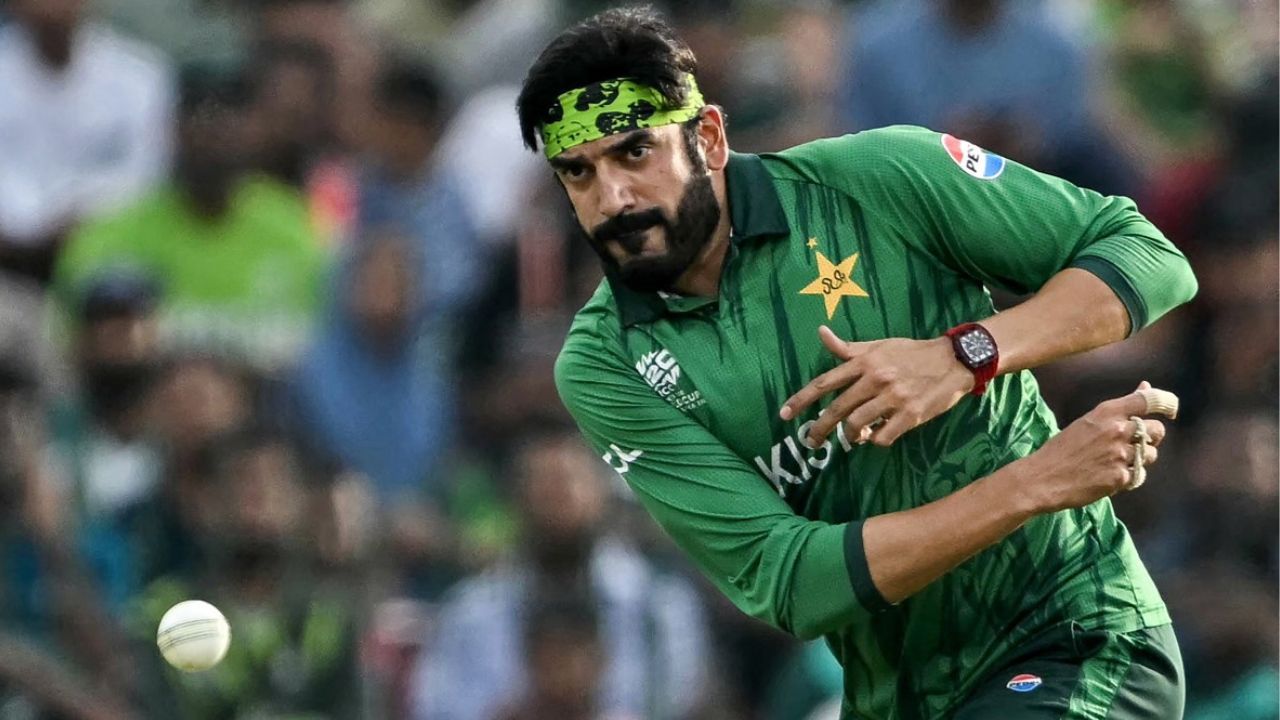
The timing of these discussions has brought specific bowlers into the spotlight, most notably Pakistan spinner Usman Tariq. His unique bowling action has sparked significant debate, drawing scrutiny from professional cricketers and fans alike.
The scrutiny surrounding Tariq is not new. During Australia’s tour of Pakistan, Australian all-rounder Cameron Green publicly questioned Tariq’s action, at one point gesturing his concerns to the umpires regarding potential ‘chucking.’ While Green later apologized, the incident highlighted the growing tension surrounding Tariq’s delivery style. Further pressure mounted during the 2026 PSL, when Daryl Mitchell openly expressed his dissent by stepping away twice, clearly uncomfortable with the spinner’s bowling motion.
If the proposed rules are implemented, umpires will gain the authority to evaluate these actions in real-time, providing a definitive ruling on whether a player’s delivery complies with the Laws of Cricket.
The Technicalities of the 15-Degree Rule
To understand the gravity of these potential changes, one must look at the current ICC threshold. Under existing regulations, a bowling action is deemed illegal if the player’s elbow extension exceeds 15 degrees between the arm reaching the horizontal and the point of ball release. This 15-degree allowance is designed to account for natural physiological limitations while preventing unfair mechanical advantages.
Has Usman Tariq Cleared His Action?
It is important to note that the scrutiny surrounding Usman Tariq is not without context. The bowler has already undergone formal testing at the ICC-accredited centre in Lahore, where his action was evaluated and deemed legal. Former ICC umpire Anil Chaudhary has previously weighed in on the complexity of the issue, noting that while nuances such as pauses in the delivery stride might appear deceptive to some, they do not necessarily violate the core regulations provided the elbow extension remains within the legal limit.
“If the pause is obviously longer or shorter, or if he bowls without a pause, that will be considered deception,” Chaudhary observed. “Everything seems OK up to now. I am not seeing anything wrong.”
What Lies Ahead?
The upcoming ICC meeting will be critical in determining how these new technologies are integrated into the match-day experience. While the goal is to improve the integrity of the sport, the implementation of such powers carries significant weight for bowlers like Tariq, who find their actions frequently challenged by opponents. As cricket moves toward a more data-driven future, the balance between subjective perception and objective technological measurement remains the ICC’s greatest challenge.
Whether these changes will lead to a more standardized approach to bowling actions or create new points of friction remains to be seen. However, one thing is clear: the margin for error for bowlers with unconventional actions is narrowing rapidly.