Suryakumar Yadav takes extraordinary steps to save captaincy; hires PR manager, and reaches out to BCCI

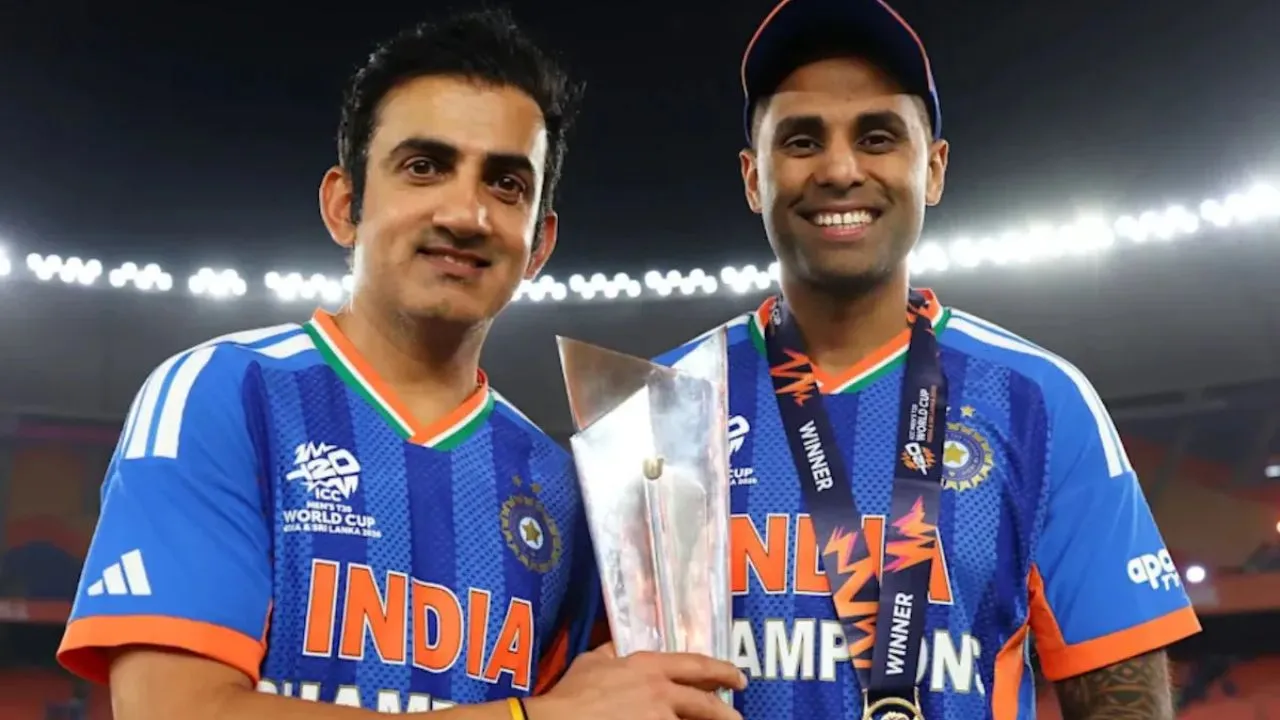
The Pressure Mounts on India’s T20I Skipper
The landscape of Indian cricket is perpetually shifting, and currently, the spotlight is firmly fixed on T20I captain Suryakumar Yadav. As the national side prepares for the next international cycle, whispers of leadership changes have grown into audible discussions within the corridors of the Board of Control for Cricket in India (BCCI). Faced with scrutiny regarding both his personal form and the team’s strategic direction, the Mumbai-born batter is reportedly navigating a challenging phase in his career.
Strategic Moves to Retain Leadership
Recognizing the gravity of the situation, Suryakumar Yadav takes extraordinary steps to save captaincy; hires PR manager, and maintains constant communication with key stakeholders to steer the narrative back in his favor. Reports indicate that the star batter is leaving nothing to chance, ensuring that his fitness levels and recent performances are viewed through a supportive lens by both the public and the decision-makers.
Sources close to the situation reveal that Suryakumar has been in active, regular contact with board officials, national selectors, and head coach Gautam Gambhir. This proactive approach is aimed at reaffirming his commitment to the team’s long-term vision. The hiring of a dedicated PR professional signals a strategic shift in how his image is managed, emphasizing the pressure he feels to retain his leadership role.
A Divided Selection Panel
The internal debate regarding India’s T20I leadership is currently described as a “50-50” situation. Within the selection committee, there is a clear divide: one faction remains committed to backing the explosive batter, believing his experience and unique batting style are vital for the team. Conversely, another faction is actively exploring alternative leadership options, suggesting that the upcoming international assignments may require a fresh perspective at the helm.
This uncertainty has been exacerbated by a challenging year for the cricketer, both at the international level and within the Indian Premier League (IPL). During the 2026 IPL season, representing the Mumbai Indians, Suryakumar struggled to find his rhythm. Scoring only 195 runs in 10 matches at an average of 19.50, he faced significant difficulties, reportedly hampered by a lingering wrist injury that restricted his ability to execute his signature 360-degree range of shots.
Analyzing the Recent Form
The skepticism surrounding his captaincy is not merely about leadership style; it is deeply rooted in his recent statistical output. While India emerged victorious in the 2026 ICC Men’s T20 World Cup, Suryakumar’s individual performance was a subject of much discussion. Outside of a crucial, match-winning unbeaten 84 against the United States, he struggled to dominate against higher-ranked bowling attacks.
Throughout the World Cup campaign, he managed 242 runs across nine innings. However, when the outlier of his performance against the USA is removed, his figures drop to 158 runs in eight innings, averaging just 22.50. For a player known for his ability to dictate terms to bowlers, these statistics have provided ammunition for critics who question whether he is the right man to lead the side into the next phase of its development.
Looking Ahead to the Future
As the BCCI moves forward with its review of the national team’s structure—a process intensified following recent selection meetings for the 2026 Asian Games—the future of the T20I captaincy remains hanging in the balance. No definitive decision has been reached, and it appears the board is biding its time to see how the situation evolves.
For Suryakumar Yadav, the coming weeks are critical. Whether his efforts to align with selectors and improve public perception through professional PR management will be enough to sway the decision remains to be seen. In the high-stakes environment of Indian cricket, the path to retaining the captaincy is rarely smooth, and for the man often called ‘SKY’, the challenge is now as much about his off-field management as it is about his on-field execution.