Virat Kohli’s Aggression: Irfan Pathan Defends On-Field Intensity But Slams Handshake Snub

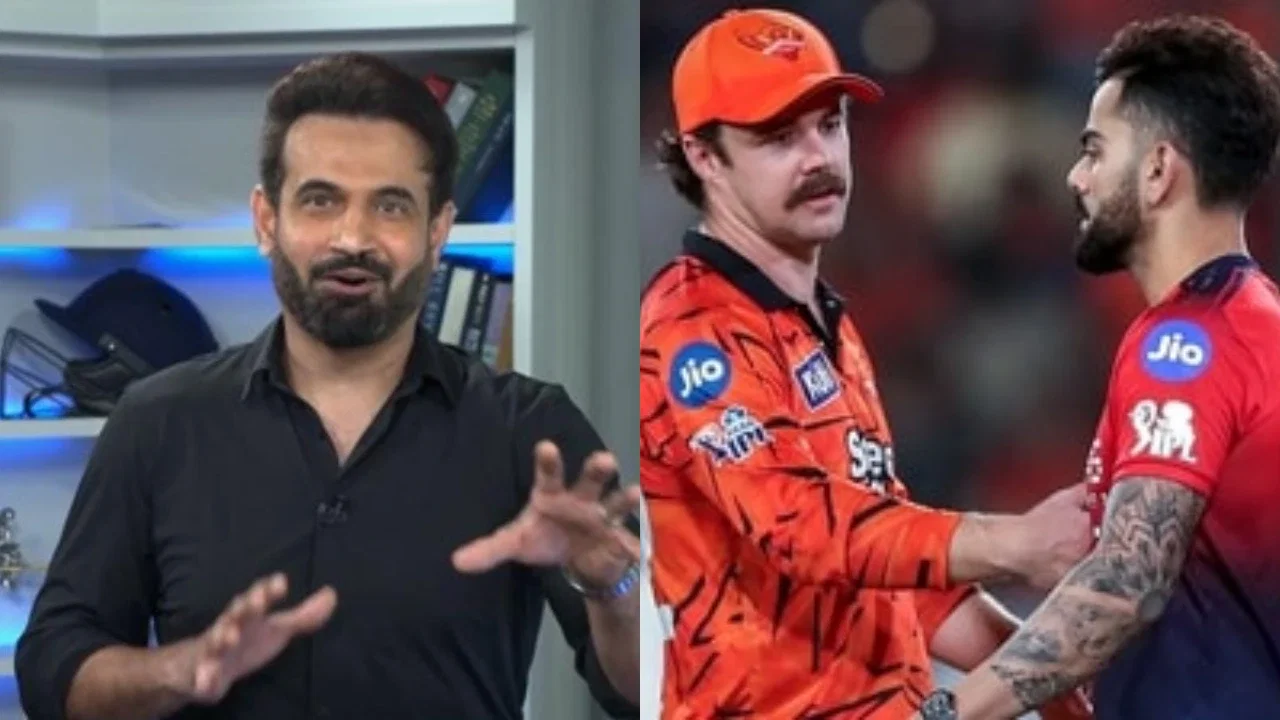
The electrifying atmosphere of the Indian Premier League (IPL) often serves as a stage for intense rivalries and captivating individual battles. The IPL 2026 season was no exception, particularly during a crucial encounter between Royal Challengers Bengaluru (RCB) and Sunrisers Hyderabad (SRH). This match, which saw Sunrisers Hyderabad emphatically defeat Royal Challengers Bengaluru by 55 runs to secure their spot in the playoffs, became the focal point of a significant controversy involving two of cricket’s most dynamic personalities: Virat Kohli and Travis Head.
What began as a high-stakes chase for RCB, attempting to overhaul SRH’s imposing total of 256, quickly escalated into a heated on-field confrontation. Virat Kohli, renowned for his passionate and often aggressive approach to the game, was visibly pumped up at the crease. During his innings, the former Indian captain engaged in a verbal exchange with the explosive Australian opener, Travis Head. This isn’t the first time Kohli’s intensity has led to such moments, but the aftermath of this particular incident has ignited a widespread debate across the cricketing fraternity.
The On-Field Banter: Kohli vs. Head
Reports from the match indicated that Kohli was actively trying to get under Head’s skin. The RCB star was seen teasing Head, challenging him to come and bowl against him. Furthermore, Kohli reportedly targeted Head’s role as an impact player in the current season, perhaps questioning his overall contribution or implying that his presence was fleeting. Such psychological tactics are not uncommon in elite sports, especially in high-pressure tournaments like the IPL, where every advantage, however slight, can be crucial.
However, the tables quickly turned. Despite Kohli’s aggressive demeanor, he failed to convert his start into a substantial score, departing for a mere 15 runs. Travis Head, a formidable batsman himself, ultimately had the last laugh on the field. Following Kohli’s dismissal, Head was reportedly heard remarking, “Mate, you got out before I even came on to bowl,” a classic piece of cricketing banter designed to underline his opponent’s failed attempt to intimidate him. This exchange set the stage for the next, more contentious chapter of their rivalry.
The Post-Match Snub: A Point of Contention
The true flashpoint of the controversy occurred after the match, during the customary handshake ritual where players from both teams acknowledge each other’s efforts and sportsmanship. As Travis Head approached Virat Kohli, extending his hand in a gesture of sportsmanship, Kohli reportedly walked past him without even making eye contact. The moment, captured on video, quickly went viral, drawing sharp criticism from fans and pundits alike.
Head’s momentary surprise was palpable before he quietly moved on, but the incident left a bitter taste for many. While on-field aggression and competitive banter are often considered an integral, albeit sometimes controversial, part of modern cricket, the general consensus among many observers is that such emotions should be left on the field once the game concludes. The handshake is a symbol of mutual respect, acknowledging the effort and skill displayed by both sides, irrespective of the outcome or prior altercations.
Irfan Pathan Defends Kohli’s Aggression
Amidst the swirling criticism, former Indian all-rounder Irfan Pathan stepped forward to defend Virat Kohli’s on-field intensity. Pathan, a respected voice in cricket analysis, articulated his support for Kohli’s passionate approach, drawing parallels with the robust and often aggressive style of play exhibited by Australian cricketers during significant matches. His insights shed light on the competitive mindset that drives many top athletes.
Speaking on JioHotstar, Pathan shared his observations from the commentary box. “Look, Virat also likes to play cricket the way the Australians do,” Pathan stated. “Little banter, little aggression, little talk of ‘okay, come down and bowl some deliveries.’ That’s what he was saying, ‘You are not an impact player.’ Generally, he is an impact player, and he goes out of the field. He asked him to bowl; something happened, and he was calling him as well.” This commentary highlighted that Kohli’s actions were perceived as part of a tactical mind game, a common feature in high-stakes sporting encounters.
Pathan further emphasized that such banter and attempts to put pressure on opponents are commonplace in cricket, especially in tense situations. He elaborated, “What happened on the field, it’s okay, it happens. You want to play aggressively; you want to wear your heart on your sleeve and have that little banter, that little aggression.” This perspective underlines the view that competitive aggression, when confined to the boundaries of fair play during the match, is an acceptable part of the sport and can even enhance its drama and intensity. It’s about pushing boundaries, testing opponents’ resolve, and striving for psychological dominance.
The Unacceptable Snub: Pathan’s Critique
However, despite his staunch defense of Kohli’s on-field aggression, Irfan Pathan drew a clear line when it came to the post-match handshake incident. While acknowledging the intensity of the game, the former World Cup winner expressed his disapproval of Kohli’s gesture, deeming it avoidable. Pathan stated, “Look what happened after the game. I am not going to talk much about it. But what happened on the field, it’s okay, it happens… This could be avoided.”
Pathan’s distinction between acceptable on-field competitiveness and post-match etiquette is crucial. It reflects a widely held sentiment that while passion and aggression are vital components of sporting excellence, they should not supersede the fundamental principles of sportsmanship and respect once the contest is over. The handshake is more than just a formality; it is a tradition that signifies the end of hostilities and the acknowledgment of shared effort and mutual respect between competitors. Bypassing it, especially after such a public and heated exchange, is often seen as a breach of this unwritten code of conduct.
The Broader Debate: Aggression vs. Sportsmanship
The Kohli-Head incident reignited a long-standing debate within the cricketing world: where does one draw the line between competitive aggression and unsportsmanlike conduct? Players like Kohli, known for their fiery personalities, often argue that their passion is integral to their performance. Many fans also appreciate the raw emotion and intensity that these players bring to the game, believing it adds to the spectacle.
Conversely, proponents of traditional sportsmanship emphasize the importance of respect, dignity, and grace, both in victory and defeat. They argue that while the game is fiercely contested, the camaraderie and mutual respect between players should ultimately prevail. Incidents like the handshake snub inevitably lead to discussions about role models and the example set for younger generations of athletes.
Cricket, often dubbed “the gentleman’s game,” has evolved significantly over the decades. While the polite, understated demeanor of earlier eras has largely given way to a more expressive and confrontational style, the core values of integrity and respect are still cherished. Finding the right balance between these two extremes remains a constant challenge for players, officials, and fans alike. The Kohli-Head saga serves as a potent reminder of this ongoing tension, highlighting how moments of intense competition can test the boundaries of sportsmanship, prompting reflection on the values that define the spirit of the game.
Ultimately, while Virat Kohli’s fierce competitive spirit is undeniably a hallmark of his illustrious career and a major draw for fans, the post-match incident with Travis Head has undeniably sparked a necessary conversation about the boundaries of aggression and the enduring importance of sportsmanship in cricket. The debate continues, reflecting the complex interplay of passion, performance, and professionalism at the highest level of the sport.