BCCI vs BCCI Over IPL Honey Trap – BCCI Internal Friction: Clarifying the IPL 2026 Honey-Trap Allegations

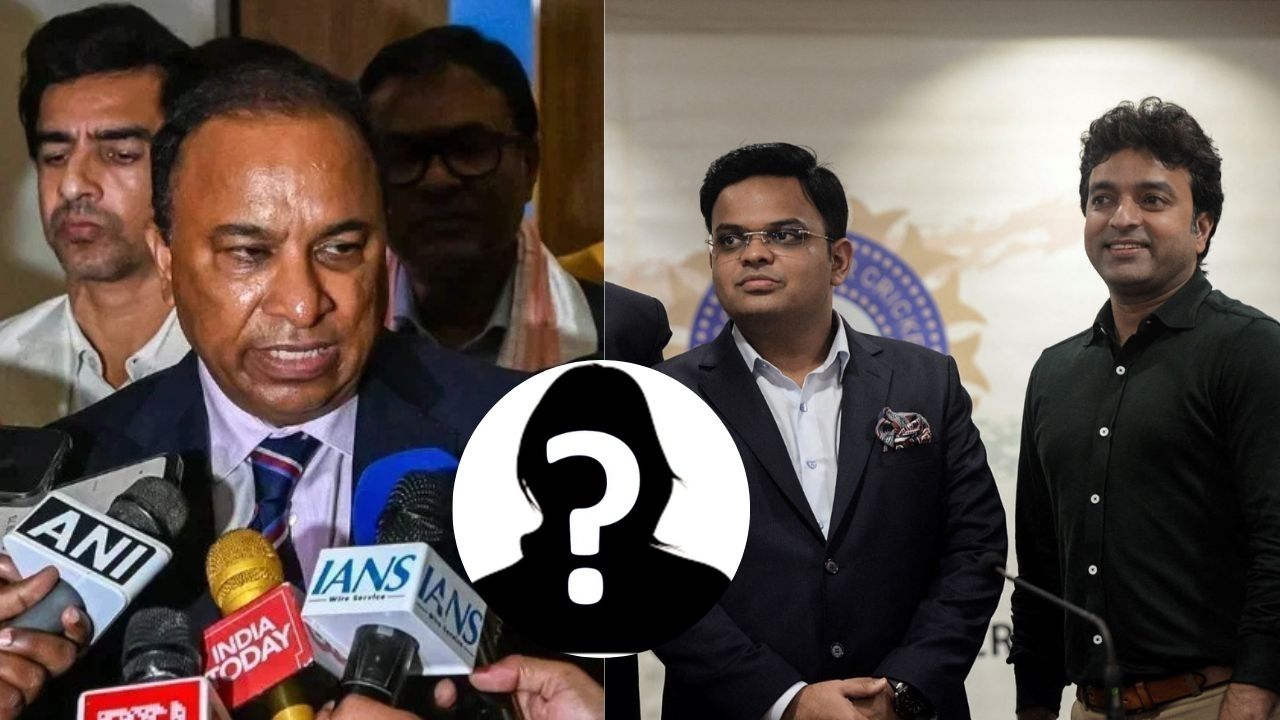
Internal Discord Within the BCCI
In a rare display of public administrative friction, the Board of Control for Cricket in India (BCCI) has found itself embroiled in a confusing narrative regarding the security and integrity of the ongoing Indian Premier League (IPL) 2026 season. Recent directives issued by board officials have sparked debate, highlighting a divide between the league’s administrative warnings and the perceptions of its leadership.
A few weeks ago, the BCCI took the proactive step of issuing a comprehensive seven-page advisory to all ten IPL franchises. This communication, spearheaded by BCCI secretary Devajit Saikia, explicitly warned teams about the heightened risks of unauthorized movements, security breaches, and, most notably, the dangers of ‘honey-trapping’ within the high-profile sporting environment.
The BCCI Advisory: A Proactive Stance
The advisory was issued against a backdrop of several notable controversies that marred the tournament’s public image. These included the Rajasthan Royals manager Romi Bhinder allegedly using a mobile device inside the dugout and the widely publicized vaping controversy involving Rajasthan Royals captain Riyan Parag. Addressing these risks, Devajit Saikia emphasized the necessity for vigilance.
In the official documentation, Saikia noted: “The BCCI draws the attention of all Franchises to the well-documented risks of targeted compromise and honey-trapping that pervade high-profile sporting environments. The possibility of incidents giving rise to serious legal allegations, including those under applicable laws on sexual misconduct, cannot be discounted.” The mandate was clear: IPL franchise management must remain proactive in mitigating risks that could damage the reputation of the league.
IPL Chairman Offers a Different Perspective
Despite the stern tone of the BCCI secretary’s advisory, the response from IPL Governing Council chairman Arun Dhumal suggests a different reality. In an exclusive interaction, Dhumal dismissed the notion that honey-trapping had occurred at all during the 2026 season.
“There has been no issue as such with regard to honey-trapping or things like that, to my knowledge. This is a very clean tournament,” Dhumal stated. He acknowledged that while the season was not entirely devoid of minor issues, he categorized them as isolated incidents rather than organized security threats. Specifically, he pointed to the Riyan Parag vaping incident as a lapse that could have been avoided, but firmly maintained that, to his knowledge, no serious security breaches of a criminal nature had transpired.
Communication Gaps at the Top
When pressed on the specifics of the advisory sent by Devajit Saikia, the IPL Chairman appeared unaware of any concrete evidence supporting the honey-trap warning. “I am not privy to any such information either. He would be the best person to comment on that. But nothing of the sort has happened in this edition, as far as my understanding and knowledge go,” Dhumal added. This lack of alignment suggests a disconnect in how the BCCI management and the IPL Governing Council evaluate the security landscape of the tournament.
Focus Shifts Back to the Cricket Pitch
While administrative debates continue behind the scenes, the cricketing action on the field has reached a fever pitch. IPL 2026 has provided fans with immense entertainment, with the tournament now entering its final and most decisive stage.
Royal Challengers Bengaluru (RCB) have successfully punched their ticket to the grand final for the second year in a row, cementing their status as a dominant force in this year’s edition. The identity of their final opponent remains the subject of intense speculation, with the winner of Qualifier 2 set to face them. The remaining contenders vying for that prestigious spot are the Gujarat Titans and the Rajasthan Royals. As the league nears its conclusion, the focus of the cricket world is shifting from administrative advisories to the high-stakes performance of these elite franchises on the field.
Ultimately, the BCCI’s directive serves as a reminder of the immense pressure that comes with managing one of the world’s largest sporting events, even as officials navigate internal communication challenges regarding the nature of the threats they face.