Cummins keen to play entirety of Australia’s ‘unprecedented’ run

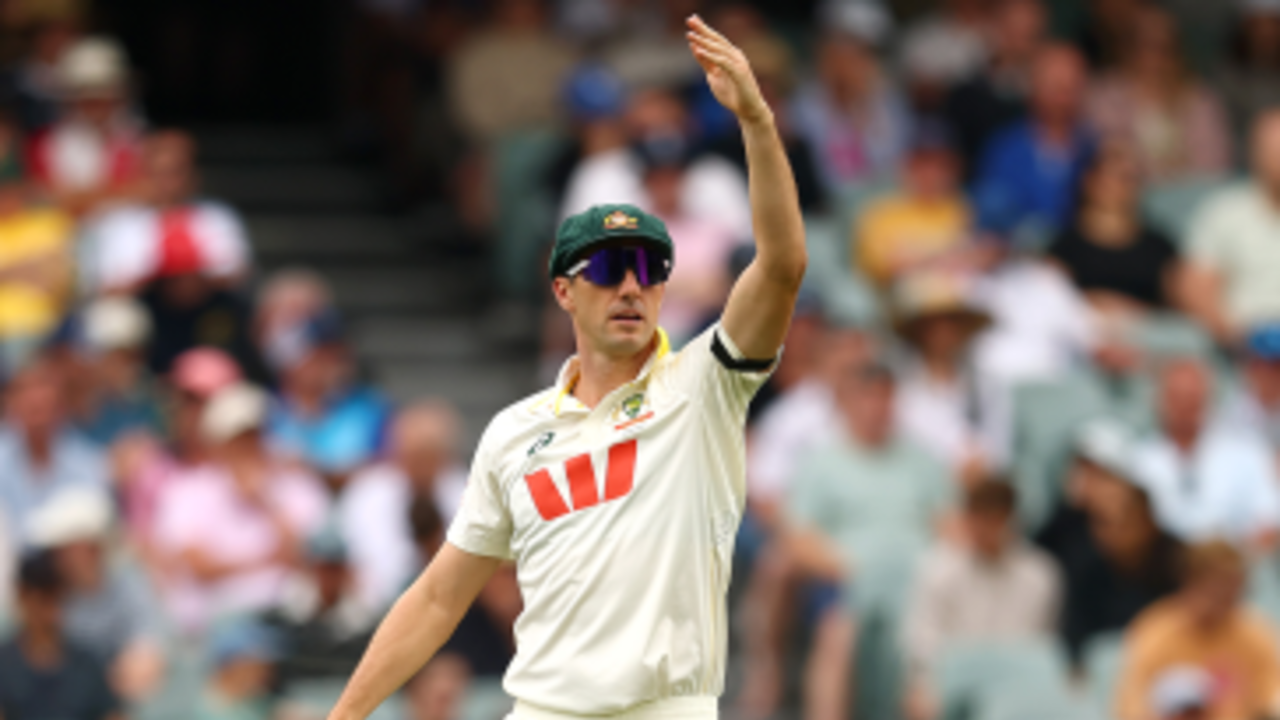
An Ambitious Road Ahead for the Australian Captain
As the international cricket calendar intensifies, Australian Test and ODI captain Pat Cummins has set his sights on an grueling challenge. He has openly declared that he is Cummins keen to play entirety of Australia’s ‘unprecedented’ run over the next 12 months, a period that will see the national team navigate perhaps the most demanding schedule in their modern history. With up to 21 Test matches on the horizon, the pressure on the pace bowling unit will be immense.
Physical Readiness and Recent Comebacks
Returning to action following the IPL, where he competed for the first time in four months, Cummins appears refreshed and ready for the challenge. His recovery from a back injury, which previously curtailed his participation in the Ashes, seems complete. “Body feels awesome,” Cummins noted recently. While he has received the green light from medical scans, he understands that the transition to the demands of Test cricket—specifically the requirement to bowl 20 overs in a day and repeat that effort the following morning—requires a systematic build-up of bowling loads throughout June and July.
The Challenge of the Big-Three
The iconic trio of Cummins, Mitchell Starc, and Josh Hazlewood has long been the backbone of Australia’s bowling attack, particularly during home summers. However, Cummins is a realist. He admits it would be “very surprising” if all three quicks were able to feature in every single one of the 21 Tests scheduled. The sheer volume of cricket, ranging from home series against Bangladesh to a legacy-defining tour of India and the defense of the Ashes in England, represents a workload that is truly unprecedented in the modern game.
“I’m kind of hoping that I play all of them, but I’m sure things will pop up along the way,” Cummins added. “There might be a little bit of chopping and changing.”
Prioritizing Test Cricket Over T20s
To ensure he remains available for the long-format battles, Cummins has made it clear that white-ball commitments will be secondary. The captain emphasized that his focus is squarely on maintaining fitness for Test matches, suggesting that appearances in domestic T20 competitions, such as the BBL, will be rare, if not entirely off the table this season. This strategic decision highlights the lengths to which the captain is willing to go to lead his team through this landmark period.
The Role of Depth in the Squad
The Australian selection panel is well-prepared for the eventuality of rotation. During the successful 4-1 Ashes victory last summer, depth players like Scott Boland, Michael Neser, Jhye Richardson, and Brendan Doggett proved their mettle when filling in for injured stars. The reliance on this secondary tier of talent will likely be a defining feature of the upcoming season, ensuring that the team remains competitive even when the primary quicks require rest.
Looking at the Resilience of Josh Hazlewood
A significant point of discussion has been the availability of Josh Hazlewood, who missed the entirety of the last Ashes due to hamstring and Achilles tendon injuries. Despite only featuring in 10 of Australia’s last 20 Tests, Cummins remains optimistic about his teammate’s durability. Seeing Hazlewood perform consistently in the recent IPL final was a positive sign for the squad. “Bowling seems a funny one, you can get on a bit of a roll and play a lot,” Cummins observed. He remains confident that with proper management, the ultra-accurate Hazlewood can return to being a constant fixture in the Test side once more.
A Historic Schedule
The upcoming 12 months include a variety of high-stakes encounters, including the 150th anniversary Test at the MCG, a return to South Africa for the first time since 2018, and the high-pressure environment of a potential World Test Championship final at Lord’s. As the team prepares for this marathon of cricket, the leadership of Pat Cummins will be tested both on and off the field, balancing his desire to play every match with the clinical necessity of protecting the team’s most valuable assets.