Why Rohit Sharma Is A Complete No Go For Mumbai Indians’ Captaincy? – Why Rohit Sharma Should Not Return as Mumbai Indians Captain

The Captaincy Conundrum at Mumbai Indians
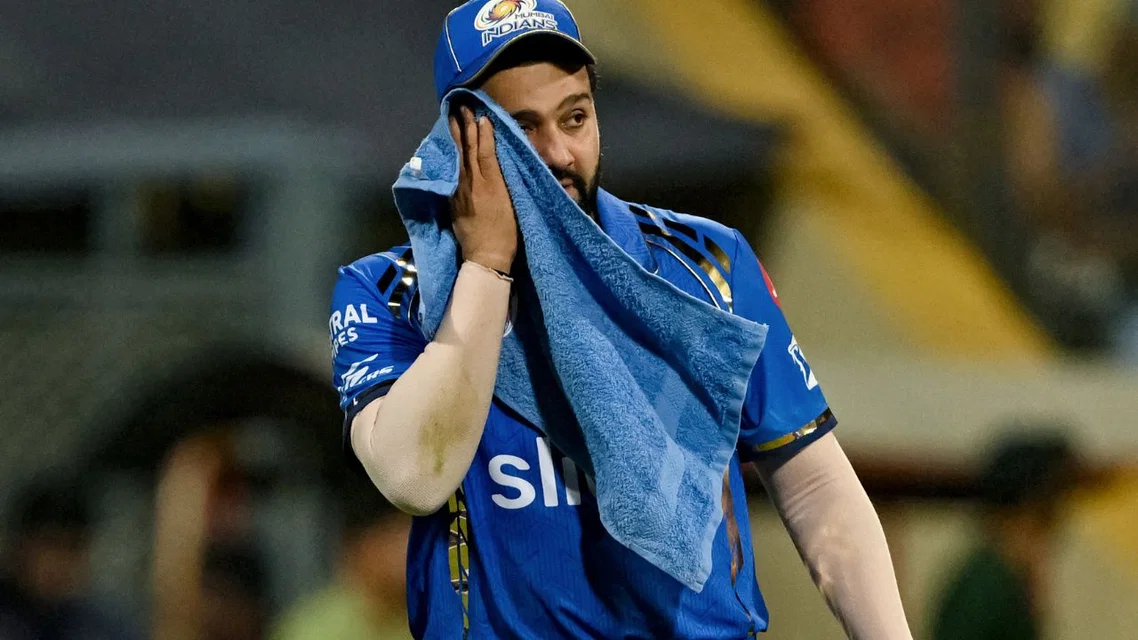
Rohit Sharma is, without question, one of the most iconic figures in the history of the Indian Premier League. As the man who transformed the Mumbai Indians into a championship machine, his legacy is etched in five glittering trophies. However, professional cricket is a sport that moves at a breakneck speed, and franchise planning often requires cold, hard logic over sentimentality. With rumors circulating that Hardik Pandya may not continue as captain, the clamor for Rohit Sharma’s return to the helm has grown louder. Yet, from a purely strategic standpoint, such a move could be counterproductive for the future of the Mumbai Indians.
1. The Batting Consistency Gap
Perhaps the most significant concern regarding Rohit Sharma’s recent IPL tenure is his output with the bat. For nearly a decade, the prolific opener has struggled to hit the heights that many expect from a player of his immense caliber. It is a sobering statistic that in his storied career, he has yet to record a single 600-run IPL season. The last time he crossed the 500-run threshold was back in 2013, an eternity ago in the context of T20 cricket.
In the current IPL landscape, top-tier teams are defined by the explosive and consistent contributions of their opening batters. Players like Virat Kohli, Shubman Gill, and the rising stars of the league set the benchmark for high-scoring dominance. Unfortunately, Mumbai Indians have not seen that level of sustained impact from Rohit. Furthermore, his strike rate has rarely pushed into the elite category, staying above 150 only once in the last five years. Entrusting him with the dual burden of captaincy and batting expectations at this stage of his career might be a gamble the franchise cannot afford.
2. The Requirement for Long-Term Vision
The Mumbai Indians management made a bold, albeit polarizing, choice when they transitioned the captaincy from Rohit to Hardik Pandya. Whether fans agreed with the execution of that move or not, the message from the ownership was clear: the team was pivoting toward a younger leadership core. At 39 years old, turning 40 next year, Rohit Sharma is no longer the foundational stone upon which the next five years of Mumbai Indians cricket can be built, especially with the strategic planning required for the 2028 mega auction.
The franchise must prioritize identifying and grooming a leader capable of sustaining the team’s success for the next cycle. Relying on an older, albeit legendary, figure acts as a temporary patch that only delays the inevitable transition process. To remain competitive, Mumbai Indians must look toward the future, ensuring they are not tethered to a short-term emotional decision.
3. The Recent Captaincy Track Record
It is essential to balance the nostalgia of the five titles with the reality of more recent performances. While Rohit’s tenure was undeniably successful, it is also true that the team entered a trophyless phase under his leadership before the change in captaincy occurred. Following the 2020 victory, the team went three consecutive seasons without a title, a drought that has now stretched to six years. The decline in performance, marked by the departures of stalwarts like Lasith Malinga and Kieron Pollard, became evident during those final years of his captaincy. The transition was already showing signs of struggle before Hardik Pandya was brought back into the fold.
Ultimately, Mumbai Indians historically flourished because they were proactive planners, often staying two steps ahead of the competition. Returning to a previous captain is a defensive move that signals a lack of clarity. If the team is to recapture its glory, it must do so by embracing a fresh, strategic direction that prioritizes long-term stability over the comfort of the past.