Michael Vaughan fires back at critics: “People tried to cancel me, but it hasn’t” happened yet

Reflecting on a Storied Career
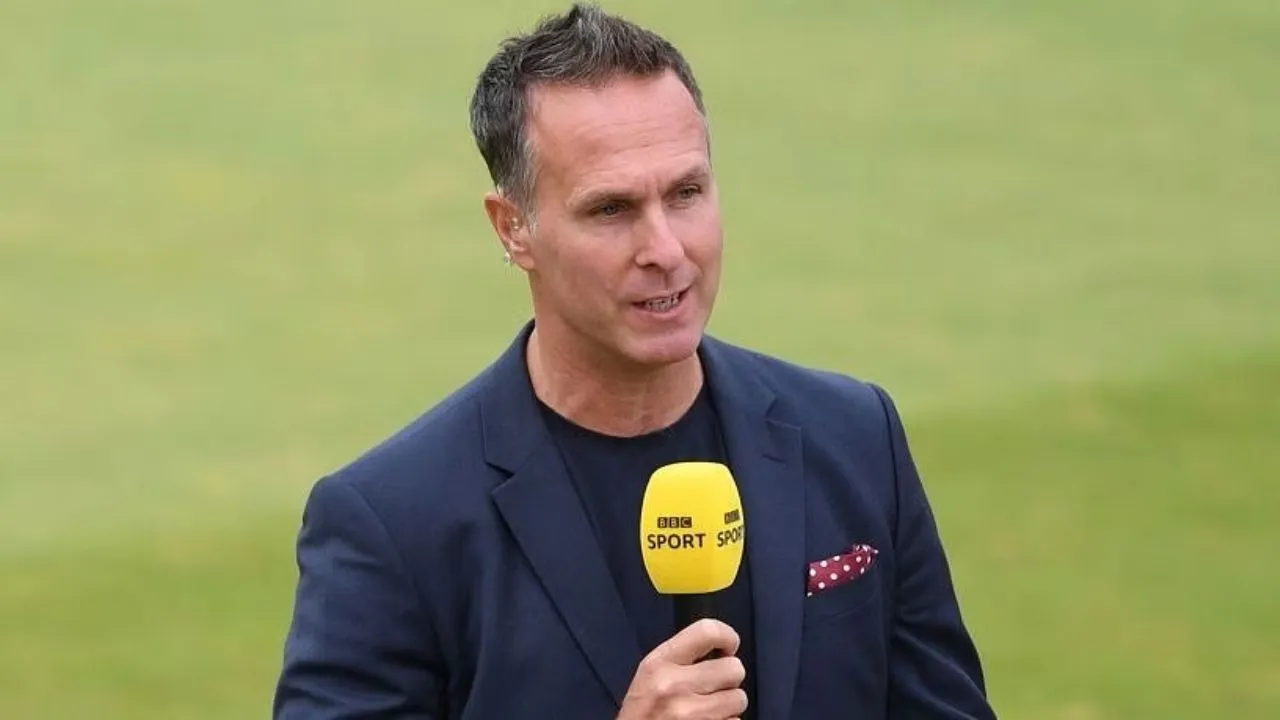
Michael Vaughan remains one of the most significant figures in English cricket history. Widely celebrated for his tactical acumen, he is perhaps best known for steering England to their historic 2005 Ashes victory, a triumph that finally ended an agonizing 18-year wait for the urn. As he looks back on his journey from the pitch to the commentary box, he has recently addressed the challenges he has faced, asserting that despite external pressures and public scrutiny, he remains a prominent voice in the sport. When addressing his longevity in the media, Michael Vaughan fires back at critics: “People tried to cancel me, but it hasn’t” happened yet.
The Captaincy Conundrum
Vaughan’s tenure as captain was characterized by a distinct blend of calm authority and an innate understanding of his teammates. Taking over the reins from Nasser Hussain, he transformed the culture of the England dressing room. However, Vaughan admits that the persona he projected was often a mask for the intense internal pressure he felt. “At times, I was fine, a great captain. But I didn’t take it too seriously. That’s a good thing to realise that it’s just a game, but knowing it’s also not,” he explained.
He further elaborated on the psychological aspect of leading a national team. A successful captain, in his view, must ensure the group feels secure and supported, even when the leader themselves is battling the immense stresses of international expectations. Vaughan frequently relied on his intuition, often “winging it” during team discussions and selector meetings to maintain a sense of balance within the squad.
The Yorkshire Roots and the Joy of Domestic Cricket
Despite the prestige associated with international honors, Vaughan holds a special place in his heart for his time in the domestic circuit. While many modern players view the international stage as the pinnacle, Vaughan reminisces about the camaraderie found in county cricket. “I loved playing for Yorkshire. I loved it in the 90s, just being on the county treadmill, going around with the team,” he noted. For Vaughan, the 90s represented a period of pure enjoyment, distinct from the high-stakes, high-pressure environment of leading the national side.
Statistically Speaking: A Career of Peaks and Valleys
Vaughan’s international career was nothing short of impressive, accumulating 5,719 runs in 82 Test match appearances. He was the backbone of the batting order during a transformative era for England. Interestingly, a curious statistical quirk of his career is the absence of a white-ball international century, despite his prolific record of 18 centuries in the longer format. This highlights the evolving nature of his game and his primary focus on the tactical demands of Test match dominance.
Transitioning to the Media Spotlight
With 17 years now spent in broadcasting, Vaughan is rapidly approaching a milestone where his media career will equal his 19-year tenure as a professional cricketer. This transition has not been without its hurdles, particularly in an era where social media amplifies public opinion to an unprecedented degree. Vaughan acknowledges the shift in the landscape, noting that modern players face significantly higher scrutiny than his generation did, though they also enjoy greater financial rewards. By balancing the rough with the smooth, he has managed to maintain a successful second act, remaining a fixture in cricket coverage across the globe. His resilience in the face of public discourse is a testament to his thick skin, forged during years of leading his country on the world’s biggest stage.
Looking Toward the Future
As he continues to share his insights, Vaughan remains grateful for the opportunity to stay connected to the sport he loves. He admits uncertainty regarding how much longer he will remain in the media, yet he maintains a deep appreciation for the game. Whether he is discussing complex tactical maneuvers or the psychological state of modern athletes, his perspectives continue to be sought after by fans and analysts alike. His journey, from the county grounds of Yorkshire to the global stage, serves as a compelling narrative of a man who navigated the peaks and valleys of professional sport with an unwavering focus on his own path.